
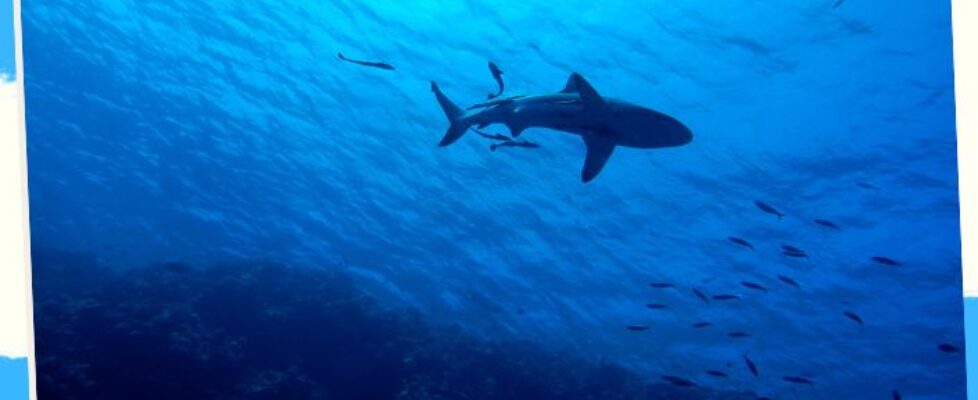
Forget the Crowds: The Secret Philippine Dive Resorts Where Rare Marine Life Thrives
Ready to dive into the epicenter of marine biodiversity? We uncover the elite scuba diving resorts in the Philippines, from the luxury of Dauin to the shark dives of Malapascua. Click to plan your unforgettable underwater escape!
Discover Paradise: The Best Scuba Diving Resorts in the Philippines for an Unforgettable Underwater Experience
The Philippines, an archipelago nation often hailed as the epicenter of marine biodiversity, is a dream destination for scuba divers worldwide. Lying within the Coral Triangle, its waters teem with an astonishing variety of life, from elusive pygmy seahorses and vibrant nudibranchs to majestic whale sharks and the graceful, long-tailed thresher sharks. But an unforgettable dive trip requires more than just spectacular dive sites; it requires a home base that understands the diver’s needs, a sanctuary where comfort meets professional-grade aquatic adventure.
Choosing the perfect resort can transform a great dive vacation into a truly sublime experience. The country boasts an array of dive resorts, each offering a unique gateway to underwater wonderlands. We’ve curated a look at the premier scuba diving resorts across key region from the muck diving havens of Anilao to the pristine reefs of Palawan, to help you plan your next descent into the Philippine deep.
The Philippines’ Premier Dive Destinations
The magic of diving in the Philippines is its sheer diversity. The experience shifts dramatically from island to island:
- Anilao, Batangas: Just a few hours south of Manila, Anilao is the undisputed capital of macro photography in the Philippines. Resorts here, like Aiyanar Beach and Dive Resort or Blue Ribbon Divers Resort, cater heavily to photographers with dedicated camera rooms and expert muck dive guides who can spot the most cryptic critters. The nearby Verde Island Passage is often cited as the “Center of the Center of Marine Shorefish Biodiversity.”
- Malapascua, Cebu: Famous globally as the only place where you can reliably see the elusive thresher shark daily at cleaning stations like Monad Shoal. Resorts such as Malapascua Exotic Island Dive Resort or Thresher Shark Divers are geared for the early morning pelagic dives, offering PADI courses up to instructor level.
- Dauin, Negros Oriental: This area is celebrated for its incredible muck diving sites along the coast, complemented by the spectacular, protected reefs of nearby Apo Island. Luxury spots like Atmosphere Resort and Spa or Pura Vida Beach & Dive Resort offer a balance of critter hunting and stunning reef dives.
- Palawan (Coron & El Nido): Coron is a world-class destination for wreck diving, featuring a fleet of intact Japanese WWII ships. Resorts near Coron, such as Sangat Island Dive Resort, often facilitate trips to these historical sites. El Nido is better known for its dramatic limestone landscapes above and below the water, offering vibrant reef dives and shallow coral gardens.
- Anda, Bohol: A quiet, less-traveled alternative to Panglao, Anda boasts incredible house reefs and unique opportunities, like the twilight dives to see mating Mandarin Fish. Magic Oceans Dive Resort is a prime example of a resort offering a secluded, high-quality diving experience.
Benefits of Choosing a Top-Tier Dive Resort
- Direct House Reef Access: The best resorts offer incredible diving just steps from your room, allowing for unlimited shore or night dives.
- Specialized Dive Guides: Highly trained guides with unparalleled local knowledge, crucial for finding rare macro life or navigating currents.
- Dedicated Camera Facilities: State-of-the-art, air-conditioned camera rooms with drying areas, charging stations, and work benches for underwater photographers.
- Premium Rental Gear: Access to high-quality, well-maintained rental equipment, including specialty gear like technical diving setups or nitrox.
- Small Group Sizes: Resorts prioritize small diver-to-guide ratios for a safer, more personalized, and less disruptive experience for marine life.
- PADI/SSI 5-Star Centers: On-site professional dive centers offering a full spectrum of courses, from beginner to instructor level.
- Marine Conservation Focus: Resorts actively participate in and educate guests on local conservation efforts, promoting sustainable diving.
- Luxury and Comfort: Beyond the diving, enjoy high-end accommodations, spa services, and gourmet dining options.
- Logistical Ease: Seamless organization of all dives, transportation, and permits, maximizing your time underwater.
- Emergency Preparedness: Proximity and quick access to hyperbaric chambers or advanced medical facilities, and staff trained in first response.
The Pros and Cons of a Dedicated Philippine Dive Vacation
| Pro | Con |
| World-Class Biodiversity | Seasonality: Specific sites have peak seasons (e.g., Tubbataha is liveaboard only, March-June). |
| Affordability | Travel Time: Getting to remote islands often requires multiple flights and long boat or land transfers. |
| Diverse Dive Environments | Limited Nightlife: Many remote dive resorts prioritize tranquility over bustling social scenes. |
| Warm Water Year-Round | Occasional Typhoon Risk: The main typhoon season runs from June to November, though diving continues in most areas. |
| English-Speaking Locals | Logistics of Inter-Island Travel: Connecting flights can be unpredictable and time-consuming. |
| Superb Macro Photography | Currents: Some spectacular sites, like Apo Reef, are subject to strong, unpredictable currents. |
| High Safety Standards at Top Resorts | Infrastructure Variation: Quality of roads and services can vary greatly between regions. |
| Excellent Value for Money | Marine Park Fees: Mandatory, per-dive, or weekly fees apply at most top marine sanctuaries. |
| Access to Pelagic and Critter Dives | Over-Tourism at Busy Spots: Popular sites like Coron and Moalboal can get crowded during peak season. |
| Friendly and Welcoming Culture | Air Travel Restrictions: Strict baggage limits for domestic flights can complicate carrying dive and camera gear. |
Illustrative Case Studies: Top Philippine Dive Resorts
- Atmosphere Resort and Spa, Dauin: Known for its luxury accommodations and phenomenal muck diving right off the beach. Case Study: A macro photographer spent a week here and logged 50+ unique nudibranch species.
- Atlantis Dive Resorts (Puerto Galera & Dumaguete): Premier PADI 5-Star resorts offering ‘Critter Hunt’ packages and all-inclusive deals. Case Study: A beginner diver completed their Open Water and Advanced Open Water certification in a single, well-structured week.
- Thresher Shark Divers, Malapascua: A cornerstone dive center. Case Study: A marine biologist interned here, tracking thresher shark movements and identifying behavioral patterns at Monad Shoal.
- Magic Island Dive Resort, Moalboal: Provides direct access to the world-famous Sardine Run. Case Study: A family of four, including two non-diving teens, successfully snorkeled with millions of sardines just meters from the shore.
- Aiyanar Beach and Dive Resort, Anilao: High-end resort with spectacular views and technical diving options. Case Study: A technical diving team used the resort as a base for deep exploratory dives in the Verde Island Passage.
- Sangat Island Dive Resort, Coron: Perfectly positioned among the WWII wreck sites. Case Study: A history enthusiast completed the Coron Wreck Diver specialty, accessing multiple shipwrecks in one trip.
- Amun Ini Beach Resort and Spa, Anda, Bohol: Known for its remote beauty and pristine house reef. Case Study: A couple enjoyed a combination of wellness treatments, gourmet food, and dedicated, quiet reef dives away from the crowds.
- Kasai Village Dive Resort, Moalboal: Features a world-class house reef accessible 24/7. Case Study: A group of divers logged multiple unguided dusk and night dives, spotting rare nocturnal creatures.
- Apo Reef Club, Occidental Mindoro: The gateway to the remote Apo Reef Natural Park. Case Study: A conservationist group organized a three-day expedition from this resort, documenting the health of the reef’s coral and pelagic fish populations.
- Buena Vida Resort & Spa, Malapascua: Offers a tranquil setting post-dive. Case Study: A solo female traveler appreciated the resort’s secure, peaceful environment, pairing her thresher shark dives with daily yoga sessions.
Key Takeaways for Your Dive Trip
- Choose Your Region Based on Your Dive Goal: Macro (Anilao, Dauin), Pelagics (Malapascua, Apo Reef), Wrecks (Coron), or Reefs (Bohol, El Nido).
- Book Early for Peak Season: The best resorts fill up months in advance, especially for Christmas, Easter, and the summer months.
- Factor in Travel Time: Be realistic about the domestic flights and land transfers required to reach the more remote, pristine locations.
- Bring Appropriate Certifications: Thresher shark and wreck dives often require an Advanced Open Water certification or higher.
- Invest in Dive Insurance: Comprehensive dive insurance (like DAN) is essential due to the remoteness of some sites from hyperbaric facilities.
- Pack Light but Smart: Domestic airlines have strict weight limits; rent heavy gear like tanks and weights locally.
- Respect Marine Life: Do not touch or harass the underwater creatures, especially fragile corals and cryptic macro life.
- Learn Basic Filipino Phrases: While English is widely spoken, knowing a few local words enhances interaction with the community.
- Check Visa Requirements: Ensure your passport and visa are valid for your entire stay in the Philippines.
- Verify Resort Inclusions: Clarify if packages cover dive fees, park fees, gear rental, and full board (meals) to avoid surprises.
Frequently Asked Questions (FAQs) & Answers
- Q: When is the best time to scuba dive in the Philippines?
- A: The main dry season, considered the best overall dive period, runs from November to May. March to May is the hottest, driest time.
- Q: Do I need a special certification to dive with Thresher Sharks in Malapascua?
- A: Yes, the thresher shark dive at Monad Shoal is typically a deep dive, requiring at least an Advanced Open Water certification.
- Q: Are there any liveaboard options besides resorts?
- A: Yes, liveaboards are the only way to dive the world-famous Tubbataha Reefs Natural Park, which is accessible only from March to June.
- Q: Is the Philippines safe for solo female divers?
- A: Yes, the Philippines is generally very safe and welcoming. Top dive resorts often cater to solo travelers with communal dining and group dive trips.
- Q: What is “muck diving”?
- A: Muck diving is a specialty dive on sandy, silty, or “mucky” bottoms where you search for small, rare, and bizarre creatures, like frogfish, seahorses, and flamboyant cuttlefish. Anilao and Dauin are famous for this.
- Q: How do I get to the more remote islands like Malapascua or Coron?
- A: Travel usually involves a domestic flight from Manila (MNL) or Cebu (CEB), followed by a van transfer and a final ferry or boat ride.
- Q: Can I see whale sharks while diving?
- A: While whale sharks are present, the responsible way to view them is typically through controlled snorkeling/swimming tours in areas like Southern Leyte, or during liveaboard trips to remote reefs.
- Q: Do dive resorts offer Nitrox fills?
- A: Most high-quality and PADI 5-Star resorts offer Nitrox (Enriched Air) fills, often free or for a small fee for certified EANx divers.
- Q: How much should I budget for a dive trip?
- A: A mid-range dive resort stay with 3 dives per day can range from $150 to $350 USD per person, per day, depending on the luxury level and package inclusions.
- Q: Should I book my dives in advance or when I arrive?
- A: It is highly recommended to book both your resort and dive packages in advance, especially during peak season, to secure your spot and preferred schedule.
Conclusion
The Philippines is more than just a destination; it’s a profound pilgrimage for anyone serious about the ocean. Each of the islands from the muck of Anilao to the pelagics of Malapascua offers a curated, world-class experience waiting to unfold beneath the waves. The right dive resort serves as your personal portal to this underwater eden, ensuring that every detail, from the air in your tank to the comfort of your post-dive meal, contributes to a seamless and truly unforgettable adventure. Dive deep, explore wide, and let the wonders of the Philippine seas etch themselves into your memory.
Link Resources
- PADI’s Philippines Dive Center Finder
- Philippine Department of Tourism Travel Advisory
- DAN (Divers Alert Network) Asia Pacific
- Current Philippine Marine Park Fee Guidelines
- Reputable Philippine Domestic Flight Booking Portal
Key Phrases
- “Epicenter of Marine Biodiversity”
- “Thresher Shark Capital”
- “World War II Wreck Diving”
- “Coral Triangle”
- “Verde Island Passage”
- “Underwater Photography Haven”
- “Muck Diving Paradise”
- “PADI 5-Star Dive Resort”
- “Sardine Run Experience”
- “Unforgettable Underwater Experience”
Best Hashtags
- #PhilippinesDiving
- #ScubaParadise
- #CoralTriangle
- #DiveResortsPH
- #ThresherSharks
- #PhilippineMarineLife
- #Anilao
- #Malapascua
- #UnderwaterPhotography
- #DiveThePhilippines
DisclaimerThe information is for educational purposes only and subject to change, and it is highly recommended to consult local authorities for the latest and most accurate updates. We do not constitute endorsement of any specific technologies or methodologies or endorse of any specific products or services.📩 Need to get in touch?Feel free to Email ResortsPhilippines.com for comments, suggestions, reviews, or anything else. |


